Why did I stop writing? Why did I ever start?
I started therapy when I was just 6 years old. I don’t remember a ton about the modality or any positive changes that came from that first therapist. I do recall her explaining to me that I could trust her, that she would keep my secrets and help me. And then I remember the backlash and broken trust. She had been subpoenaed to court as a witness in the incredibly vicious custody battle that was just beginning to sink its vindictive claws into my little life. “Family” at the time in history was presented as this happy unit of people who loved each other unconditionally, who stuck together through thick and thin, defended each other and were permanent. I had never heard of a chosen family, had no examples of what divorce was or could look like. I was alone in uncharted territory.
Divorce at that time was still so taboo that even other authoritative adults in my life weren’t sure how to respond. In school I was pulled from my class weekly by the guidance counselor to monitor how I was coping I guess. I can tell you not well, I recently found one of my notebooks from 1993, when I was 7 years old, and my “art” is disturbing. Why have I held onto it? I guess it is a reminder of who I am and how far I have come. The adults at school weren’t the only ones unsure of how to handle the situation, I was excluded from extra-curricular activities at church. They couldn’t stop me from attending but they could and they did prohibit me from being an active participant in both the youth group and youth choir, isolating me from my peers.
Other kids didn’t know how to act either. I was taxied back and forth, weekly, between two houses more than 7 miles apart, in two different zip codes, two different school zones, too far to walk or bike between. My father rarely allowed me to go anywhere I was invited during “his time” and very quickly the invitations just stopped altogether. I was again isolated.
His time was so valuable because that is when he had full control. The ability to say what he wanted without witness, the only reason I can think of even now was to utilize me as a pawn in his war against my mom. To this day I can not fathom how such hate exists. There are people who make me shudder, who cause a visceral reaction, and even people that strike such fear into me that I flee and yet, I can’t find the capacity to hate. I don’t even hate him, even after he erased me from his family tree.
I sometimes wish that as easily as he omitted me from his records that I could do the same. Undo the neural pathways he laid ever so carefully. Untangle my twisted automatic thinking. However, it is not possible to erase such trauma and now most days I would not give up my past, it has shaped not only my struggles but also informed my victories.
I have however spent years, decades really, trying to learn how to undo the damage and retrain my brain. I have lost count of how many professionals I have seen. Some only once as they did not inspire a sense of safety in me. Others I saw for months or years at a time. The most impactful moment came in 2018 when my psychologist at the time, Dr. Martin Cohen, told me to “stop being so damned selfless”. I immediately began to pile on my self-deprecation and cite how he was right, my father was right, I was selfish and worthless. Selfish for never giving enough, being enough, for anyone, absolutely worthless. Dr. Cohen would not stand down. He immediately met me with a counter argument. As a way to try and overcome the isolation I dealt with for oh so many years I had become a persistent people pleaser. I did whatever everyone else expected from me, pushed down anything I wanted if it didn’t align to what others around me desired. I had given up me, who I really was, my actual authentic self to try and build connectedness, a sense of love and belonging. The problem was no one, not even me, knew me. This person that was trying so hard to not to stay alone, not die alone like she had been told she would so many times, wasn’t actually me. I was still alone and felt that loneliness to my core.
That realization is what started me on a new journey. I started graduate school and sought out to discover who I was and what I wanted for the first time in a very, very long time. In graduate school I met many people who had demons similar to mine and so I started writing.
My writing was a form of self discovery, catharsis, and an outstretched hand to anyone else fighting to not just stay alive, but live a life worth living, a meaningful and connected life. I wanted everyone else like me to know that they belong, WE belong and are worthy of connection, love and happiness.
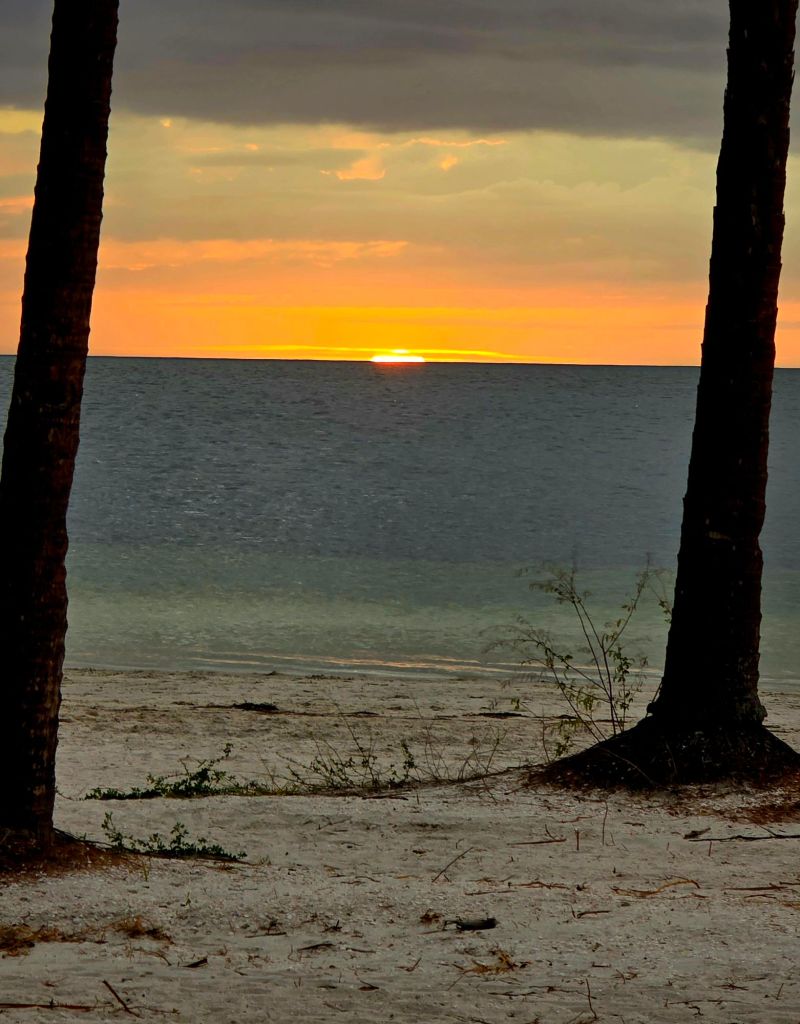
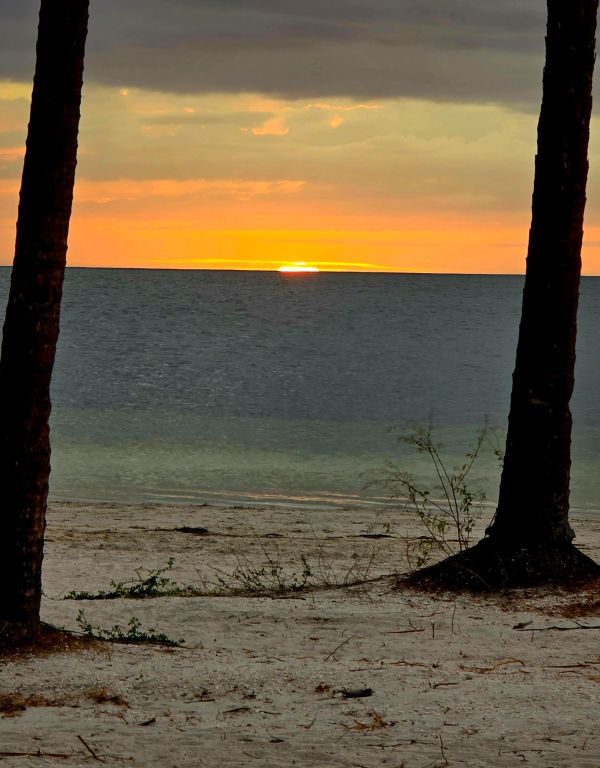
So why stop? Once again I had forgotten about me. No one was taking my hand and I had fallen into the old habitats of people pleasing and measuring my worth based on the acceptance of others. I forgot why the journey began in the first place. Here I am though, sitting surrounded by people and yet feeling alone, on the beach, watching a pair of dolphins play as the sunsets and crying as I recommit myself to me, rejection be damned. As a coworker recently told me, if people don’t stand by me in the rain, they don’t deserve me when the sun shines either.
I may not have many friends but I do have a few really great people who love me, real me, actual authentic raw, rainy days included me. And I am going to try to accept rejection with more grace. Rejection does not reflect on me but so many things and I am going to try to embrace those awkward moments when I reach out to try and build connections and community yet my hand stays empty or gets pushed away. Those people who get to know me and still love me mean so much more than all of the forced false friendships in the world.