
As we end the month of November we are in the season of celebration and holidays. HAPPY Thanksgiving, MERRY Christmas, HAPPY Hanukkah, HAPPY New Years, etc. All of these holidays focus on joyous the experience of joyous emotions, however it is important to recognize that while we focus on celebrating the positives these holidays are born out of trials and tribulations and oftentimes gratitude travels with grief.
Ten years ago today, I sat at the edge of the driveway with my grandfather, him in his red electric wheelchair and me in a beige plastic Adirondack chair. Tears of frustration ran down his face as he asked me to just let him die in peace as we waited for the ambulance to arrive. As far as he was concerned his life had ended seven years earlier.
He had retired from the Air Force, then he retired again from the Postal Service. He had volunteered and been an active member of his community and even decided to rejoin the work force as the first of his five grandchildren neared his high school graduation because he wanted to ensure that we all had access to a college education if we chose. Then on May 4th, 2009 he went in for a routine outpatient procedure and threw a massive blood clot that became snagged on a stent in his heart yet discharged despite complaining about the chest pain and sent home. What started as a minor hernia surgery that morning ended up with a massive cardiac event that led to open heart surgery that night. He was placed in the cardiac ICU and we were instructed to call the family to say goodbye, but our goodbyes wouldn’t come for many more years. We were grateful that his doctors were able to stabilize him and he would be able to return home after several weeks of hospitalization. He would never again drive, walk unassisted or regain his independence. His autonomy was gone and in his eyes with it his life.
As his heart failure progressed we went to extremes to provide treatment and keep him alive. He had weekly doctors appointments, frequent blood work, iron infusions, and several hospitalizations to reduce fluid retention. He was tired and ready to rest. He did not want to continue this cycle but here we were, telling him he had to go to the hospital yet again. They increased his diuretics and inserted a needle into each of his lungs to drain as much excess fluid as they could. As Thanksgiving approached he showed signs of improvement and we were grateful that he would be going home early the following week. The Sunday after (11/27), he convinced me to go home and get some rest. I had not left him alone the entire hospitalization, he was scheduled to be discharged Monday morning and wanted me to go to work. That night he had a stroke, fell out of bed, and would never recover. We were transferred to hospice and in the early hours of November 30th he slipped away.
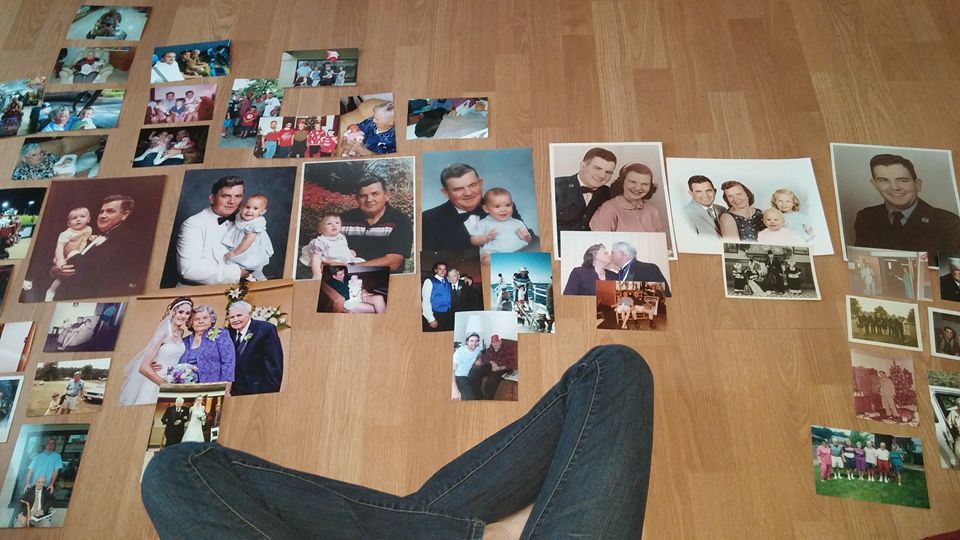
I am incredibly grateful for everything he gave me, for my surviving family, for the privilege of having access to medical care, for being able to be his advocate in those final years and I am still grieving. Ten years ago I went through the entire grief process- shock, denial, anger, bargaining, depression, reconstruction, and acceptance, but grief is not quick and acceptance does not mean that the grief is gone, it has a tendency to ebb and flow. For months after his death I would get blindsided by unexpected triggers and the grief would overwhelm me. Eventually the triggering events came less frequently, but even now, ten years later, grief can consume me.
Currently I am grateful that I was able to move in with my grandmother after her first heart attack in 2022. It allowed me to not only provide her with the ability to continue to live semi-independantly in her own home but also gave me the opportunity to make a significant change in my own life that would improve several aspects of my health. Over the last 4 years we have had several challenges to overcome; another heart attack, a UTI that caused cognitive decline, pneumonia, flooding in half the house due to a leak, flooding in another portion of the house from the 2024 hurricane season, and many more smaller potato hurdles. I have gotten to do needed renovations and upgrades for her which I enjoyed more than she did. However right now she is also grieving. Not only is it the anniversary of grandad’s death next week, they were married on Christmas day. So, while I am being grateful that I am able to advocate for her quality of life, provide her with the maximum independence for her life stage, and continue to build new positive memories with her, it is difficult to see her still devastated over her loss and to hear her start to say some of the same things that he did near the end of his life that I have never been able to get over the guilt from.
I am so incredibly grateful for my job. It can be physically, mentally and emotionally demanding however I work with an amazing team of dedicated professionals who work together to achieve a shared goal. That doesn’t mean that work is perfect or our dynamics are sunshine and rainbows, but we have worked really hard to nurture a culture that reduces a lot of common toxic workplace situations. Through this job I have also been able to find a handful of people who have become more than coworkers, they are my best friends. I myself, however, have some personal toxic work traits. I have focused this year on trying to set better boundaries, establishing a better work life balance (not always sacrificing myself because it’s the easiest solution), and accepting that I am not responsible for the success and happiness of others. I have made positive gains on those first two however, still feel guilt and grief every time someone is not successful. I KNOW I have not failed them yet I still FEEL that I have.
I planned to celebrate this season in all my own ways, however I cannot avoid the darkness that it brings with it. I can accept the cognitive dissonance of the season and experience the conflicting gratitude and grief. Sometimes it is in the darkness that we can best see the beauty of the stars.
I ask that you are respectful of all of the differing emotions people are feeling this season. And want to remind you that if the tension feels too much, you are not alone and the discomfort is temporary please reach out for help and support, don’t give up.